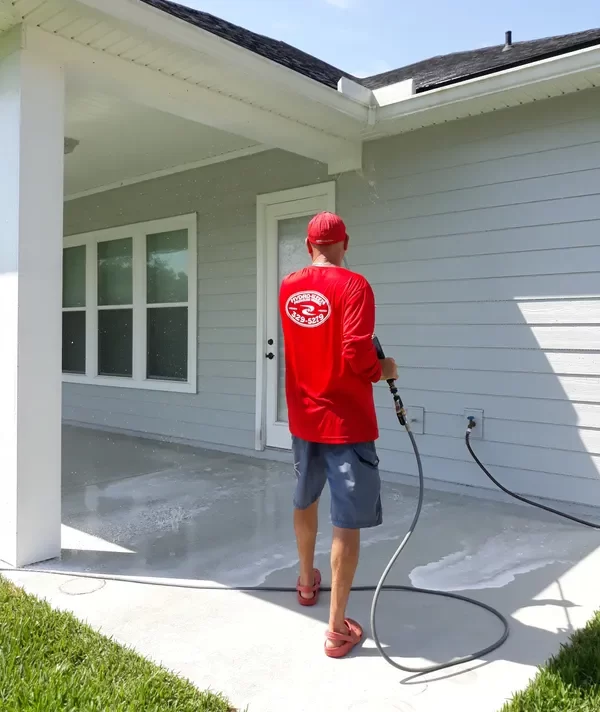
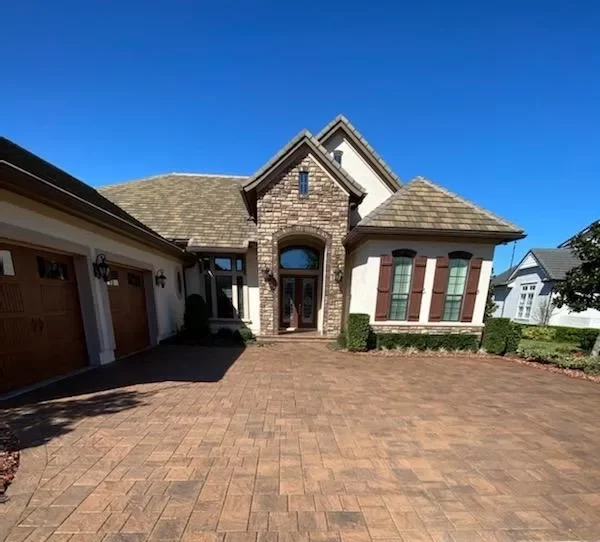
Dark streaks, algae film, and stubborn buildup can make a property look neglected fast. Remote Exterior Surface Cleaning Nassau County FL gives you a practical way to restore curb appeal without guessing at pressure settings or risking surface damage. If the goal is a cleaner exterior with less stress, the method matters as much as the result.
Different materials react differently to cleaning. Painted siding, roofing, pavers, concrete, and fences all need the right balance of detergents, pressure, and rinse control. A one-size approach can leave marks, strip finishes, or drive water where it should not go. That is why surface review comes first.
For homeowners, HOAs, property managers, and small commercial sites, the issue is usually not just appearance. Buildup can spread, stains can set in, and maintenance problems become harder to ignore. A careful cleaning plan helps you stay ahead of that cycle before it becomes a bigger repair concern. Remote Exterior Surface Cleaning Nassau County FL helps remove dark streaks, algae film, and stubborn buildup so your property looks clean and well cared for again. It’s a practical way to restore curb appeal without the hassle of major upkeep.
What happens after you reach out? The first step is a quick surface review and a conversation about what you want cleaned. Our team looks at the material, the level of buildup, and any areas that need extra care before choosing the right approach. That keeps the work focused and avoids unnecessary pressure.
Efficiency to Hydro-Kleen means we are committed to delivering an outstanding service. We understand that when you hire us, you expect nothing less than the best. Our staff is dedicated to making sure your property is left squeaky kleen.
We communicate clearly and honestly about what we do. We want to be transparent with you to ensure there are no unwanted surprises that appear later. That way, you can rest assured that we will leave your property looking its absolute best.
Safety for Hydro-Kleen is paramount. We use state-of-the-art equipment and follow strict guidelines to protect ourselves and your assets from harm. We also have insurance coverage to cover anything that might happen on a job site.
Remote Exterior Surface Cleaning uses the same surface-safe principles, but the method is chosen around the material and the property conditions. That means soft washing for sensitive areas and controlled pressure for harder surfaces when needed. The right comparison is not force versus force, but the safest way to get a clean result without damage.
The cost depends on the surface type, size, buildup level, and whether the job needs soft washing, pressure washing, or both. Access, prep needs, and service records for HOA or property management can also affect the quote. A quick review is the best way to get an accurate estimate.
Not when the correct method is used. Roofs and siding are typically cleaned with soft wash techniques, which rely on detergents and low pressure instead of force. The key is matching the process to the material before any cleaning starts.
Results depend on the surface, weather exposure, shade, moisture, and how quickly organic growth returns. A cleaner surface usually lasts longer when it is treated with the right method and maintained on a regular schedule. Properties with heavy shade or high moisture may need service more often.
Not always. Many jobs can be handled as long as access, expectations, and any special instructions are confirmed in advance. If you want a walkthrough before or after the work, that can be arranged based on the appointment details.
Service documentation is available when HOA, property management, or maintenance records are needed. Warranty terms, if applicable, depend on the specific surface and scope of work, so those details are best confirmed during the estimate. That keeps expectations clear before the job begins.
Delicate roofing materials, some painted surfaces, and certain finishes should not be treated with high pressure. Those areas usually need soft washing or another surface-safe method. The safest answer depends on the material, its condition, and what the manufacturer or property guidelines allow.